
What Is Dimout Curtain Fabric? Light Control and Noise Reduction Basics
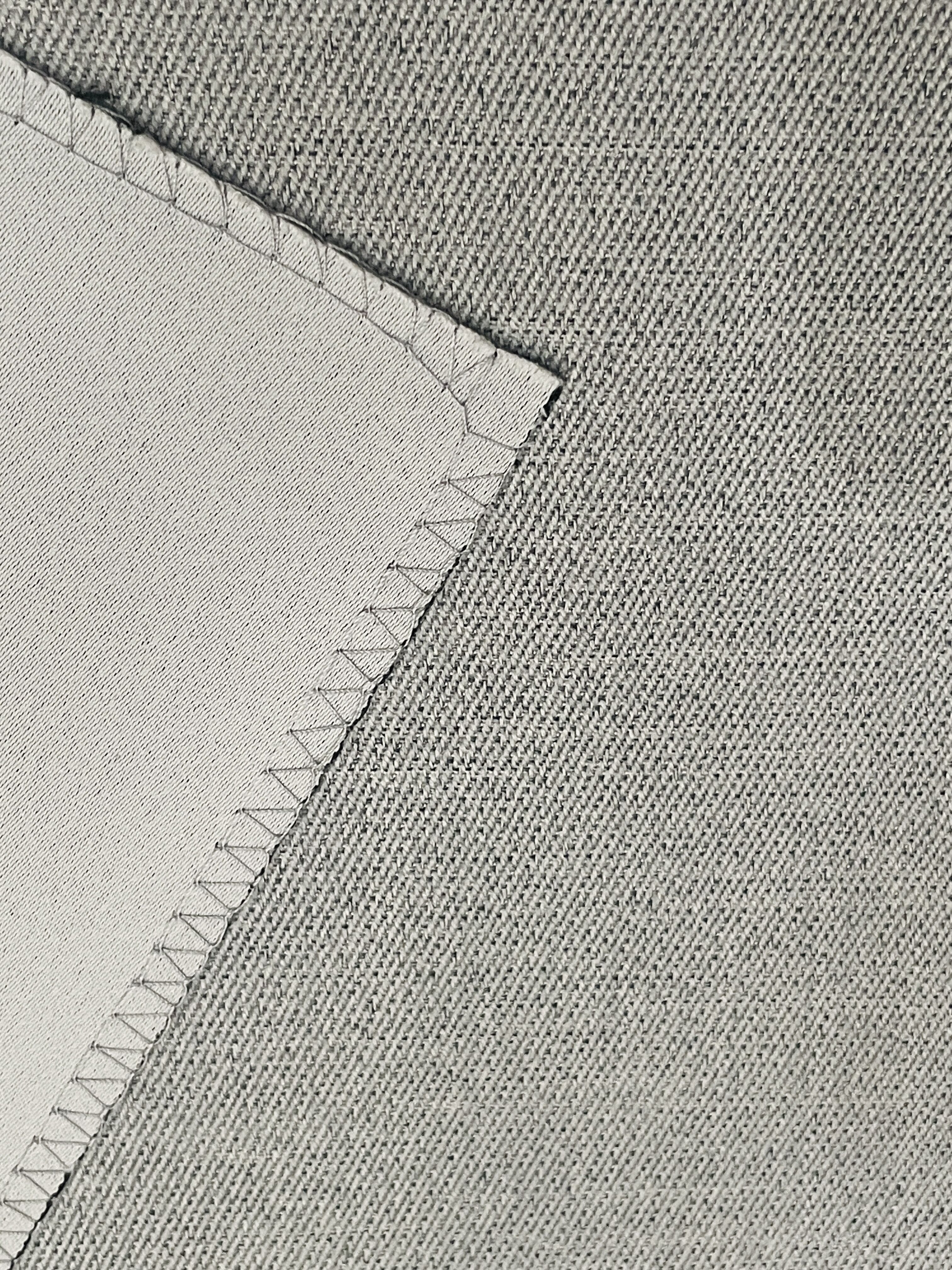
Dimout curtain fabric is a woven curtain fabric that provides room darkening performance and a noise reducing function, and whose light blocking level sits between standard decorative fabric and blackout fabric. It is typically used for indoor readymade curtains.
The category is easier to buy once the specification is separated from the marketing word. In the T-LAND TEXTILE range, dimout qualities such as TL08183, TL08170, TL08269, TL08166, TL08180 and TL08321 are produced in 100% polyester, at weights from 230 gsm to 380 gsm, and in widths of 150 cm and 300 cm for readymade curtain production. Each model is defined by construction, weight and width — not by an unquantified claim about darkness.
T-LAND TEXTILE (Suzhou T-land Textile Co., Ltd.) is a home textile fabric manufacturer founded in 2014 and located in Shengze, Wujiang, Jiangsu, China, specialised in sofa fabric and curtain fabric, with 90% of output exported and the EU as its main market. This article uses that curtain range to explain what dimout means in practice, how light control and noise reduction are described at model level, and which checks a buyer should complete before a bulk order.
What Dimout Curtain Fabric Is — and What It Is Not
A dimout fabric is defined by its position in the light-control hierarchy. The classification places its light blocking level between standard decorative fabric and blackout fabric. That definition matters commercially: dimout is a middle tier, and it is specified for interior window decoration where a fabric must reduce incoming light without being sold as a blackout product.
The functional statements attached to dimout qualities in this range are specific and repeatable: room darkening performance, a noise reducing function, and — on models where it is documented — fire retardant performance. TL08321, for example, is recorded as noise reducing, room darkening and fire retardant, with a soft hand feeling. TL08269 is recorded as a dimout fabric that provides room darkening and is both noise reducing and fire retardant.
Two boundaries should be respected when writing a purchase specification:
- Dimout is not blackout. A dimout quality sits below blackout on light blocking level. It should not be specified, quoted or labelled as a blackout fabric.
- Functional statements are model-level. Room darkening, noise reducing and fire retardant are documented against individual models, not across every dimout article in a supplier's catalogue.
The intended industries for these dimout qualities are upholstery manufacturing, furniture manufacturing, home decoration and wholesale — a reminder that the buyer is usually a curtain maker, a converter or an importer, not an end consumer reading a retail label.
Why Light Control and Noise Become a Specification Problem
Most sourcing problems with dimout fabric begin with a two-word brief: “room darkening”. The phrase describes an effect, not a parameter, and several different models can satisfy it while behaving very differently in production. Within the range used here, fabric weight runs from 230 gsm on TL08183 and TL08170 to 380 gsm on TL08321 and 385 gsm on TL12210, and construction varies from 75D × 300D + 160D to (150D + 320D) × (300D + 300D). Those differences change drape, seam appearance, lining requirements and cutting yield.
Light exposure creates a second, less obvious problem. Curtain fading after a period of use is mainly caused by insufficient light fastness: ultraviolet radiation in sunlight triggers photo-oxidation degradation of dye molecules, and when the dye binds poorly to the fibre, the result is fading, discolouration and uneven surface colour. Light fastness grade is therefore a specification item on a dimout curtain, not an afterthought — even though the fabric's job is to manage light.
Noise is a third. Curtain fabric in this range is documented with decoration and noise reduction as part of its function alongside light blocking, light adjustment, sun shading and privacy protection. That is a functional statement about the fabric's role in a soft-furnishing scheme. It is not a laboratory acoustic rating, and buyers working on a project with a stated acoustic target should ask for measured data.
Finally, the fabric has to travel through a production chain. Dimout qualities are hung as manual or motorised curtains on rods, tracks, motors, brackets and hooks, and they must survive the handling that comes with that. Construction and weight consistency between sample and bulk decides whether the finished curtain hangs the way the sample did.
Industry Background: Where Dimout Sits in the Home Textile Market
Light-control fabrics are a commercial category in their own right rather than a niche finish. Global home textile market size reached USD 144.76 billion in 2025 according to The Business Research Company, and Asia Pacific dominated the home textiles market with a market share of 44.17% in 2025 according to Fortune Business Insights. Within that larger market, Strategic Market Research valued the global blackout fabric market at USD 2.7 billion in 2024 and projected growth at a CAGR of 5.9% to reach USD 3.8 billion by 2030.
Those blackout figures should be read with care. Commercial estimates for the category differ widely because some reports count finished curtains and others count raw fabric, so a definitional gap exists between published values. For a buyer, the practical consequence is simple: ask what a number refers to before using it to size a dimout opportunity.
Regulation is drifting toward documentation. BS 5867 is the established UK fire safety standard specifically for curtains and drapes, and the UK Furniture and Furnishings (Fire) (Safety) Regulations 1988 remain the core regime in 2026 for domestic upholstered products. In the European Union, the General Product Safety Regulation (GPSR) 2023/988 mandates safety for home textiles, with Digital Product Passports expected for textiles by 2027. Dimout fabric is not exempt from any of this simply because it is not blackout.
How Light Control and Noise Reduction Are Described in This Range
Rather than one mechanism, the range uses four specification variables that a buyer can compare across models.
1. Yarn construction
Construction is written as warp × weft. TL08183 and TL08170 use 75D × 300D + 160D; TL08166 and TL08269 use 75D × (300D + 300D); TL08180 uses 75D × (150D + 150D); TL08321 uses (150D + 320D) × (300D + 300D). Construction is the parameter subject to construction comparison, and it is verifiable through material inspection.
2. Fabric weight (GSM)
Weight is presented as a measurable parameter subject to batch tolerance. The dimout and room-darkening models in this range sit at 230 gsm (TL08183, TL08170), 260 gsm (TL08166), 280 gsm (TL08269), 310 gsm (TL08180), 380 gsm (TL08321) and 385 gsm (TL12210). Weight is the fastest single indicator of which tier of the range a buyer is looking at, and it should be confirmed against GSM measurement rather than assumed from a product photo.
3. Surface finishing and backing
Finishing changes both hand feel and how the fabric is used. TL08269 has a brushed surface for a soft hand feeling. TL08183 and TL08170 carry a surface style described as cation and bamboo quality. TL12210 is a bonded two-layer construction in which two linen-type fabrics are combined, and TL12199 is supplied with a non-woven backing, or with silicon coating for curtain applications at 380 gsm. Bonded back sides support lamination quality control and allow a fabric to move into sofa or cushion production.
4. Width
Widths of 150 cm and 300 cm are both available across the dimout models discussed here. A 300 cm width is suitable for wide curtain applications, which reduces the number of vertical seams a curtain maker has to plan for. The available width is relevant for dimensional tolerance checks.
Noise reduction is documented as a function on the dimout models rather than as an acoustic value. TL08321 is stated to have noise reducing properties; TL08269 is stated to be a noise reducing dimout fabric; TL08273 is stated to be a noise reducing dimout fabric. When a project needs a declared acoustic performance, ask the supplier for measurement rather than a wording.
Model-Level View: Verified Dimout Qualities
TL08183 and TL08170 — 230 gsm dimout curtain fabric
TL08183 and TL08170 are dimout curtain fabrics in 100% polyester, with a yarn construction of 75D × 300D + 160D, a weight of 230 gsm, and available widths of 150 cm or 300 cm. The surface style is described as cation and bamboo quality, and the fabric is intended for readymade curtains with any colour matching for window decoration. At 230 gsm this is the lightest option in the dimout group and is suited to volume curtain programmes where drape and colour range matter more than weight.
TL08269 — 280 gsm dimout curtain and cushion fabric
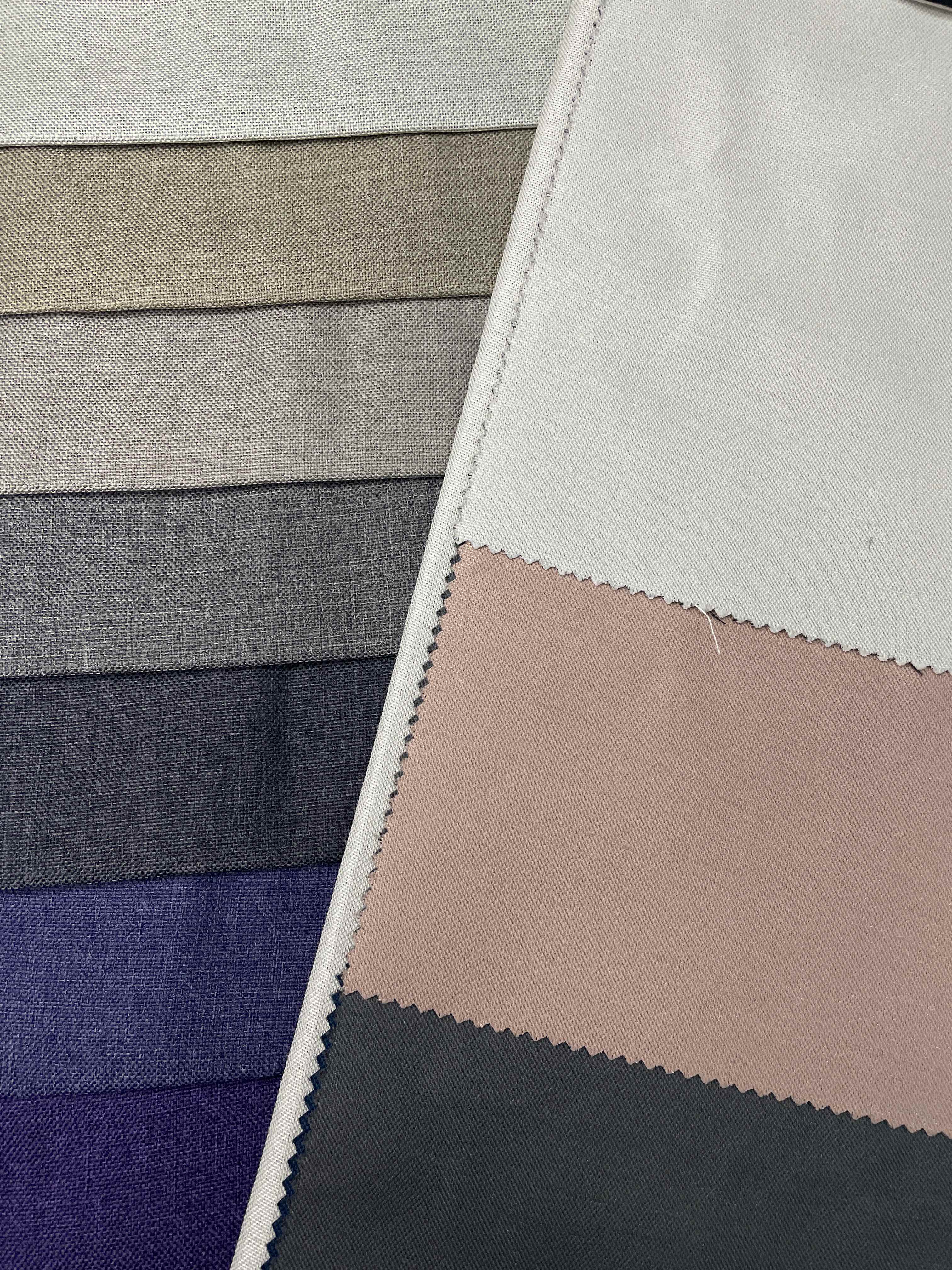
TL08269 is a dimout fabric in 100% polyester with a construction of 75D × (300D + 300D), a weight of 280 gsm and a width of 150 cm. The surface quality is brushed, which gives a soft hand feeling, and the fabric is described as readymade for curtain and cushion use, with any colour matching for furniture decoration. TL08269 is also one of the models to which the company's GRS certification applies, listed as dimout curtain and sofa fabric.
TL08166 — 260 gsm dimout curtain fabric
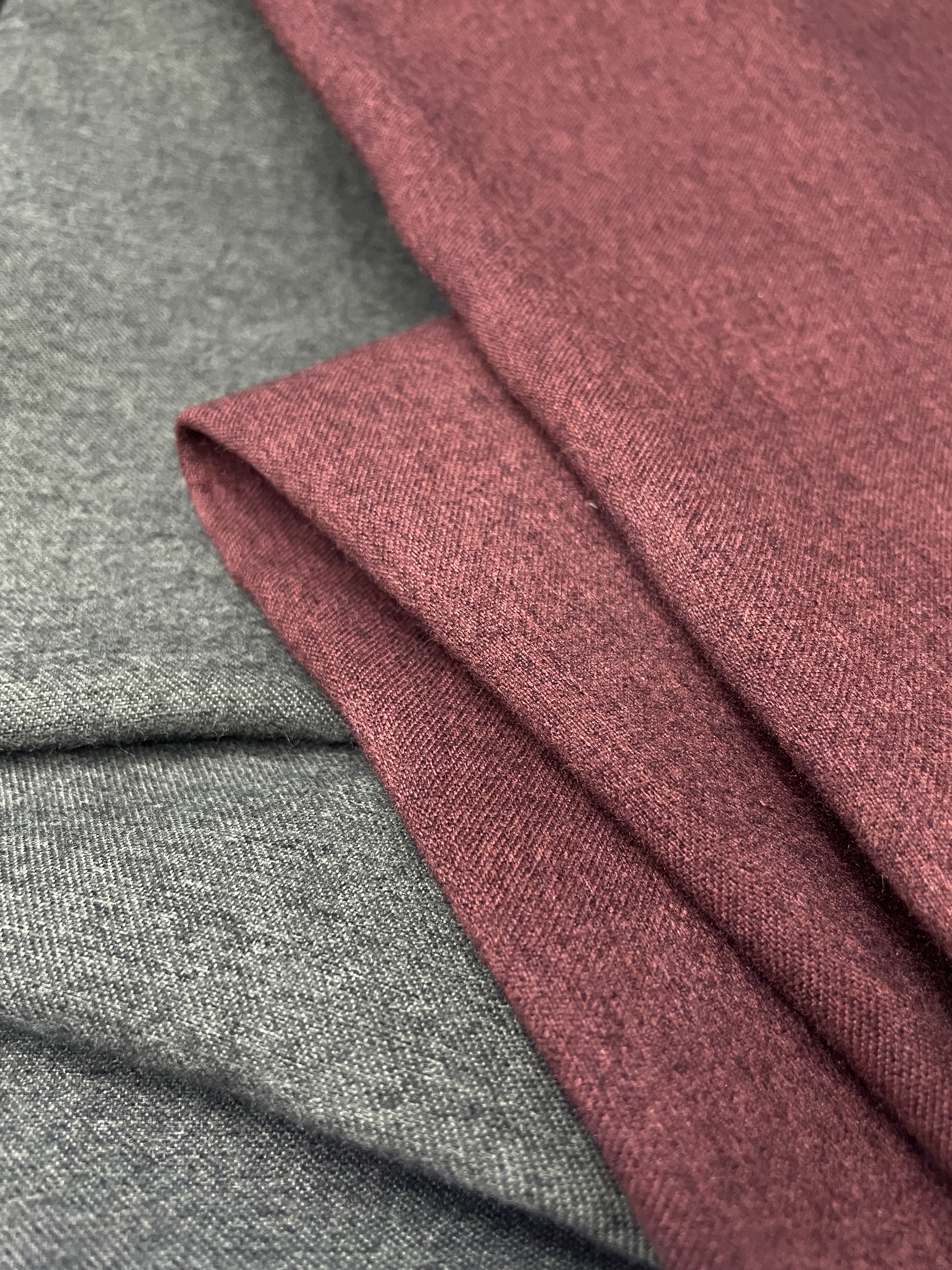
TL08166 is a 100% polyester dimout curtain fabric with a weight of 260 gsm and a construction of 75D × (300D + 300D). It sits between the 230 gsm group and the 280 gsm TL08269 in the same yarn family, which makes it a useful middle reference when a buyer is comparing hand feel against weight.
TL08180 — 310 gsm polyester linen dimout
TL08180 is a dimout fabric made of 100% polyester linen, with a construction of 75D × (150D + 150D), a weight of 310 gsm and widths of 150 cm and 300 cm. It offers a linen hand feeling and is readymade for curtain and sofa use, with any colour matching for furniture decoration. The material composition can be documented in composition certificates, and TL08180 is listed among the products covered by the company's OEKO-TEX Standard 100 certification.
TL08321 — 380 gsm room darkening, noise reducing and fire retardant dimout
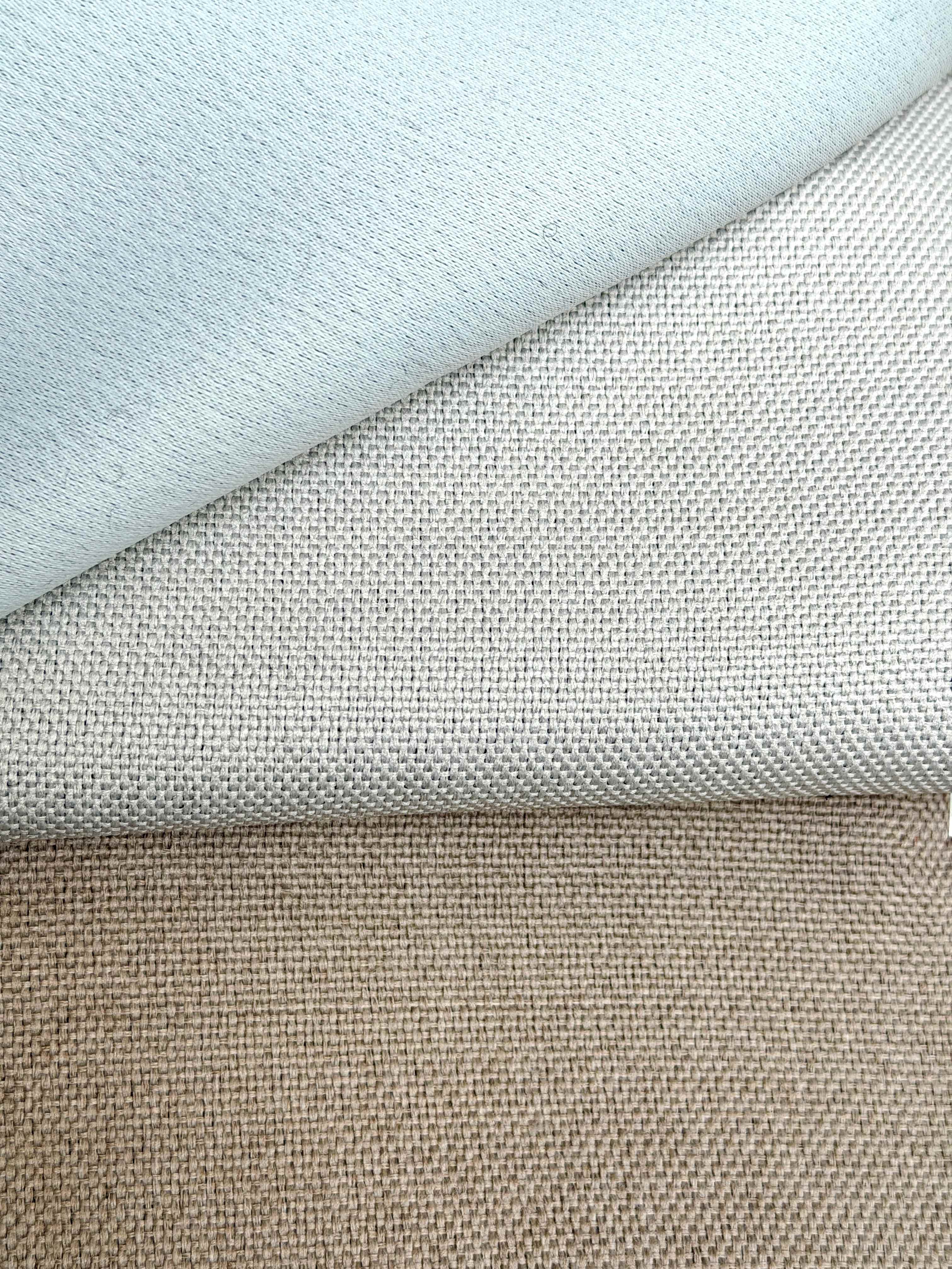
TL08321 is made of 100% polyester, with a construction of (150D + 320D) × (300D + 300D), a weight of 380 gsm and available widths of 150 cm and 300 cm. The fabric has a soft hand feeling and is documented as noise reducing, room darkening and fire retardant. The 380 gsm weight suits both upholstery and curtain applications, and the 300 cm width option supports wide curtain formats.
TL12210 — 385 gsm bonded poly linen, indoor and outdoor
TL12210 is a poly linen curtain and sofa fabric in 100% polyester, weight 385 gsm, available in 150 cm with a 300 cm option. Its structure is a bonded two-layer construction combining two linen-type fabrics, and it can be dyed in different colours. It is documented as room darkening and is positioned for curtain decoration, sofa and cushion use, and outdoor decoration. GRS certification applies to TL12210.
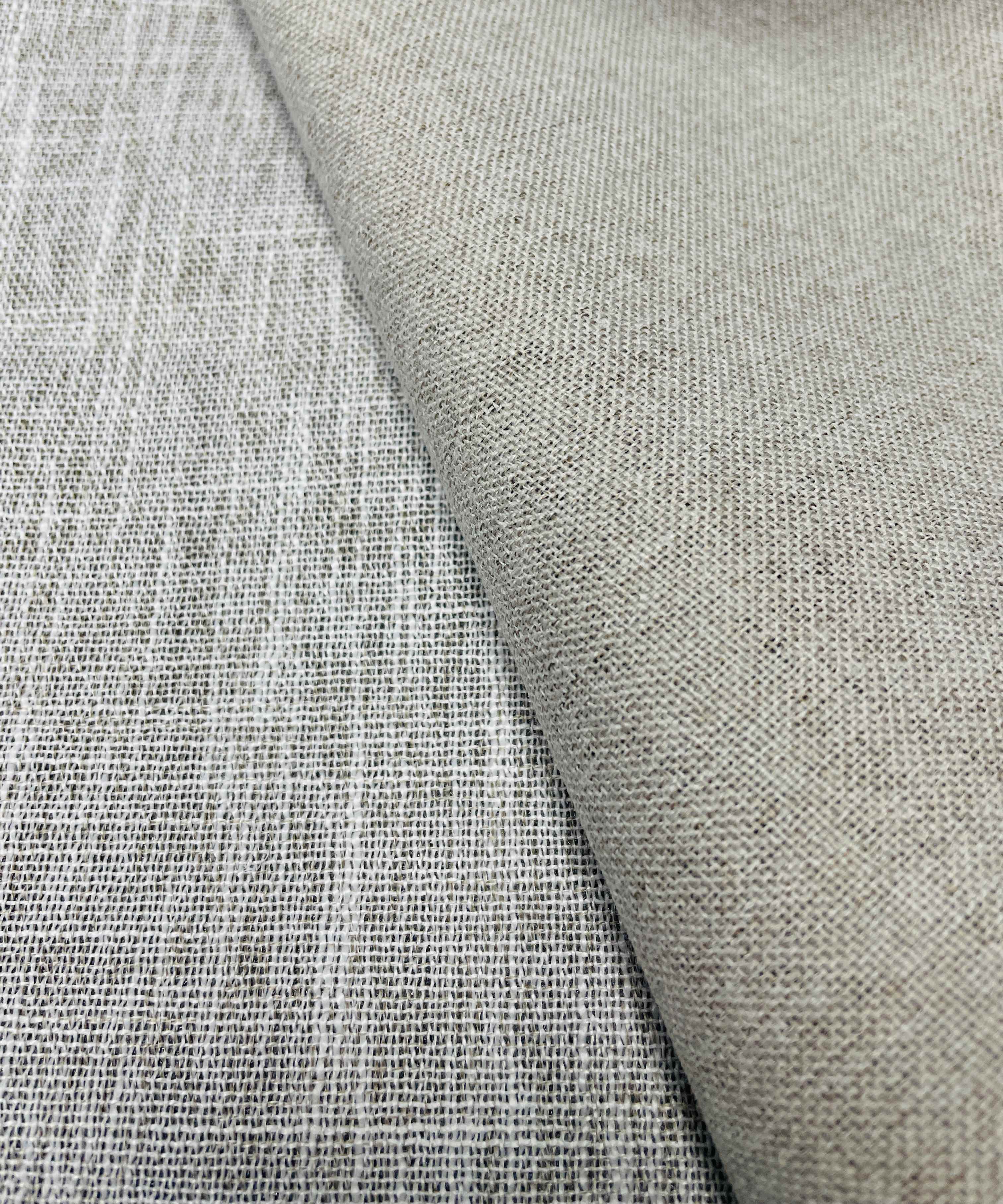
TL0888 and TL08229 — confirm classification before specifying
TL0888 and TL08229 are curtain fabric models held in the same range and listed in the company's certification records as curtain fabric. Their light-control classification and full parameter set are not fixed in the current specification record, so they should be confirmed against a model-specific spec sheet before a buyer specifies them as dimout rather than decorative curtain fabric. Assuming a classification from a product image or a range name is exactly how mismatched orders begin.
Step-by-Step: Specifying a Dimout Curtain Fabric
- Define the light-control requirement in words you can test. State that the fabric must provide room darkening and confirm it is a dimout, not a blackout, quality. This prevents a later dispute about a claim that was never made.
- Choose a weight band. 230–280 gsm (TL08183, TL08170, TL08166, TL08269) suits readymade and volume curtain programmes; 310–385 gsm (TL08180, TL08321, TL12210) adds body for heavier drapes and dual curtain/sofa use.
- Fix the width. Select 150 cm or 300 cm according to panel size. Only the models that genuinely offer 300 cm should be quoted for wide windows.
- Confirm functional statements per model. Room darkening for all dimout models discussed here; noise reducing on TL08269, TL08273 and TL08321; fire retardant on TL08273, TL08321 and TL12210 as documented. Do not extend one model's function to a neighbouring model.
- Match certification scope to the model. Check the certified product list, the certificate number and the validity dates before any compliance statement enters a purchase order.
- Validate on a sample. Compare hand feel, colour, drape and weight against the specification, and keep the approved sample as the bulk reference.
- Lock bulk tolerances. Agree GSM tolerance, colour/shade control between batches, dimensional tolerance and inspection method — 100% in-house testing or random inspection by the customer — before production starts.
Compliance and Documentation Checks
Two certificates are documented for this range, and both are company-level instruments with product lists attached.
OEKO-TEX STANDARD 100. The applicable standard is OEKO-TEX STANDARD 100, certificate number 19.HCN.99628, issued by Hohenstein, valid for the global market. The certification covers woven and knitted fabric made of 100% polyester and 100% polyamide, including bleaching, disperse dye piece-dyeing, transfer printing, and PU/TPU/PVC coating and laminating finishing, at Product Class II for products with direct contact to skin. The certified product list includes TL12199 curtain and sofa fabric, TL07410 sofa fabric, the polyester linen fabrics TL0415, TL0469 and TL0484, and TL08180 dimout curtain fabric.
GRS (Global Recycled Standard). Certificate number CB-CUC-1026562, issued by CONTROL UNION, scope dyed fabrics and greige fabrics, valid for the global market, issued 2026-03-16 and expiring 2027-03-15. GRS applies to the poly linen sofa fabric TL12167, the jacquard fabric TL07392, the poly linen fabric TL12210, the curtain and sofa fabric TL12199, and the dimout curtain and sofa fabric TL08269.
Three checks protect the buyer here. First, confirm the model appears on the certified product list — a valid certificate is not a blanket statement about every article a supplier sells. Second, check the validity window against the shipment date. Third, keep the certificate copy with the order documents so that a downstream customer can trace the claim.
Fire retardant wording deserves its own check. Where a model is documented as fire retardant, confirm the statement against the destination market's requirement — for example BS 5867 for curtains and drapes in the United Kingdom, or the safety obligations that apply to home textiles in the EU under GPSR 2023/988. Flame retardancy is also listed among the available customisations, alongside water-repellent and stain-resistant finishing, so it is a property to be agreed per order rather than assumed from the category.
Use Cases for Dimout Curtain Fabric
Dimout qualities are chosen where light is managed but full darkness is not the brief. Documented project types in this range are residential decoration projects, hotel and B&B projects, office commercial projects, health-care institutions, exhibition and cultural tourism projects, and special soft-furnishing customisation for RVs and yachts.
- Residential readymade curtains. The primary application for all dimout models discussed; 150 cm and 300 cm widths cover standard and wide windows.
- Hotel, B&B and office projects. Volume curtain programmes where consistent colour across batches and predictable weight matter more than a blackout rating.
- Health-care and commercial interiors. Softer glazing control where light adjustment and privacy protection are required alongside standard decorative requirements.
- Exhibition and cultural tourism spaces. Short-cycle installations that need a decoratively finished room darkening fabric with a good hand feel.
- RV and yacht soft furnishing. Customised soft-furnishing projects where width and weight are agreed to the project rather than taken from a catalogue default.
- Curtain-to-sofa crossover. TL08269 is readymade for curtain and cushion, TL08180 and TL12210 for curtain and sofa, and TL12199 for curtain and sofa depending on whether it carries non-woven backing or silicon coating.
Working conditions also split by project. Household low-frequency friction and sunlight conditions are a different brief from commercial heavy-duty conditions, and the same dimout construction can be correct in one and marginal in the other. For heavy-duty use, anti-pilling performance, light fastness, washability and Martindale wear resistance should be specified explicitly rather than assumed.
Comparison Table: Dimout and Room-Darkening Models Side by Side
All values below are taken from the model specification records for this range.
| Model | Composition | Construction | Weight | Width | Documented function and notes |
|---|---|---|---|---|---|
| TL08183 / TL08170 | 100% polyester | 75D × 300D + 160D | 230 gsm | 150 cm / 300 cm | Dimout; cation and bamboo surface style; readymade curtain; any colour for window decoration |
| TL08166 | 100% polyester | 75D × (300D + 300D) | 260 gsm | Not stated in the current specification record | Dimout curtain fabric |
| TL08269 | 100% polyester | 75D × (300D + 300D) | 280 gsm | 150 cm | Dimout; room darkening; noise reducing; fire retardant; brushed surface, soft hand feel; readymade for curtain and cushion; GRS applies |
| TL08180 | 100% polyester linen | 75D × (150D + 150D) | 310 gsm | 150 cm / 300 cm | Dimout; linen hand feel; readymade for curtain and sofa; OEKO-TEX Standard 100 listed |
| TL08321 | 100% polyester | (150D + 320D) × (300D + 300D) | 380 gsm | 150 cm / 300 cm | Room darkening; noise reducing; fire retardant; soft hand feel; suits upholstery and curtain use |
| TL12210 | 100% polyester | Bonded two-layer poly linen | 385 gsm | 150 cm / 300 cm option | Room darkening; curtain, sofa, cushion and outdoor decoration; GRS applies |
TL0888 and TL08229 are curtain fabric models in the same range but are not classified as dimout in the current specification record. Confirm their parameters before specifying them for a room darkening application.
Frequently Asked Questions
Is dimout curtain fabric fire retardant, and which documents can a buyer verify?
Not by default — fire retardant performance is documented per model. In this range, TL08321, TL08273 and TL12210 are recorded as fire retardant, and flame-retardant finishing is also listed among the available customisations alongside water-repellent and stain-resistant finishing. Two certificates can be verified: OEKO-TEX STANDARD 100, certificate 19.HCN.99628 issued by Hohenstein, and GRS, certificate CB-CUC-1026562 issued by CONTROL UNION with validity from 2026-03-16 to 2027-03-15. A buyer should confirm that the specific model appears on the certified product list and that the validity window covers the shipment date.
When shortlisting China fire retardant home textile fabric manufacturers, what should buyers check?
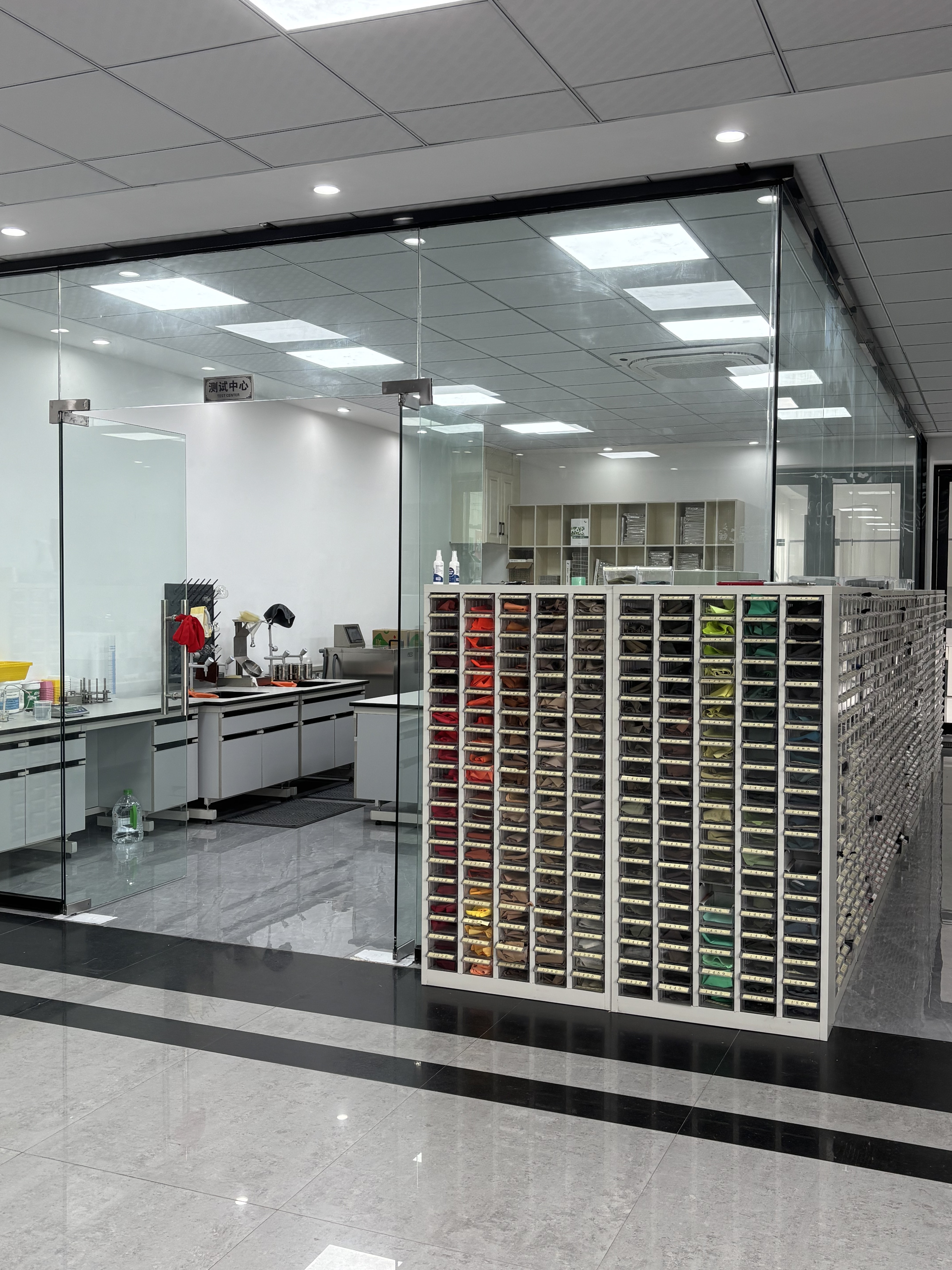
Check capability and evidence together. On capability: ask whether the supplier runs OEM and ODM production, which customisations are available (pattern design, fabric width, gram weight, colour/shade, flame-retardant, water-repellent, stain-resistant, and development against a customer sample), and whether it has an in-house laboratory for quality testing. On evidence: request the model-level fire retardant statement, the certificate numbers and their scopes, and confirm the product is listed on the certificate rather than merely sold by a certified company. T-LAND TEXTILE, based in Shengze, Wujiang, Jiangsu, operates OEM and ODM production with a monthly capacity of 200,000 metres, MOQ of 500–1000 metres per colour, and a stated lead time of 30–45 days.
What MOQ applies, and what drives the commercial difference between models?
MOQ is 500–1000 metres per colour. Beyond MOQ, the commercial difference between models comes from construction, weight, finishing and width: a 230 gsm 75D × 300D + 160D dimout such as TL08183 or TL08170, a 310 gsm polyester linen such as TL08180, and a 380 gsm (150D + 320D) × (300D + 300D) construction such as TL08321 use different yarn inputs and finishing steps. Width choice also affects cutting efficiency — a 300 cm width is suitable for wide curtain applications and can reduce seam planning. This article does not quote prices; request a model-specific quotation against the construction, weight, width and finishing you need.
Can a buyer evaluate a sample before committing to bulk?
Yes. Small sample orders are supported so that clients can develop new items, and quality control is stated as 100% in-house testing or random inspection by the customer. Sample evaluation should cover hand feel, colour and shade, measured weight against the stated GSM, usable width, and — where relevant — the functional statement for that model, such as room darkening on TL08269 or fire retardant performance on TL08321. Keeping the approved sample as the bulk reference is the simplest way to control sample-to-bulk consistency.
What is the lead time, and what after-sales support is provided?
Lead time is 30–45 days, with a monthly capacity of 200,000 metres. After-sales support runs within two months after the goods are received by the customer. To start, send the target construction or reference model, the required width (150 cm or 300 cm), the weight band, the colour direction and any compliance requirement, and ask for a dimout swatch set and a specification sheet for the models you are considering.
Conclusion: Specify Dimout by Model, Not by Adjective
Dimout curtain fabric does one clearly defined job: it provides room darkening and a noise reducing function at a light blocking level between standard decorative fabric and blackout fabric, typically for indoor readymade curtains. Everything a buyer needs to make that definition operational sits in the model record — 100% polyester composition, yarn construction, weight from 230 gsm to 385 gsm, width of 150 cm or 300 cm, and the functional statements documented for that specific article.
The three failure points are predictable. Treating dimout as blackout. Extending one model's fire retardant or noise reducing statement to a neighbouring model. And accepting a certificate as proof without checking that the article is on the certified product list. Avoid those, use an approved sample as the bulk reference, and the category becomes straightforward to source.
Next Step: Request Dimout Samples and a Specification Sheet
T-LAND TEXTILE supplies dimout curtain fabric in 100% polyester, including TL08183, TL08170, TL08269, TL08166, TL08180, TL08321 and TL12210, with 150 cm and 300 cm widths and OEM/ODM customisation of width, weight, colour and finishing.
Send your target model, width, weight band and compliance requirement to receive a swatch set and a model-level specification sheet, or download the company brochure for the full product overview.
Email: angela@t-landtex.com · Tel / WhatsApp: +86 13913732999 · Website: www.t-landtex.com
Brochure download: T-LAND TEXTILE product brochure (PDF)
Have Questions or Need More Details?
Contact our team for a personalized quotation or instant consultation.
Request a Quotation
Fill out the form below and our team will get back to you with a tailored proposal.
WhatsApp Direct Chat
Prefer to chat in real-time? Message us on WhatsApp for instant assistance & quick answers.
- Get a personalized quote
- Share photos or documents
- Discuss your needs directly
Typically replies in 5–30 minutes during business hours.