Sofa Fabric Pilling and Curtain Fading: A Technical Guide to Yarn, GSM and Backing
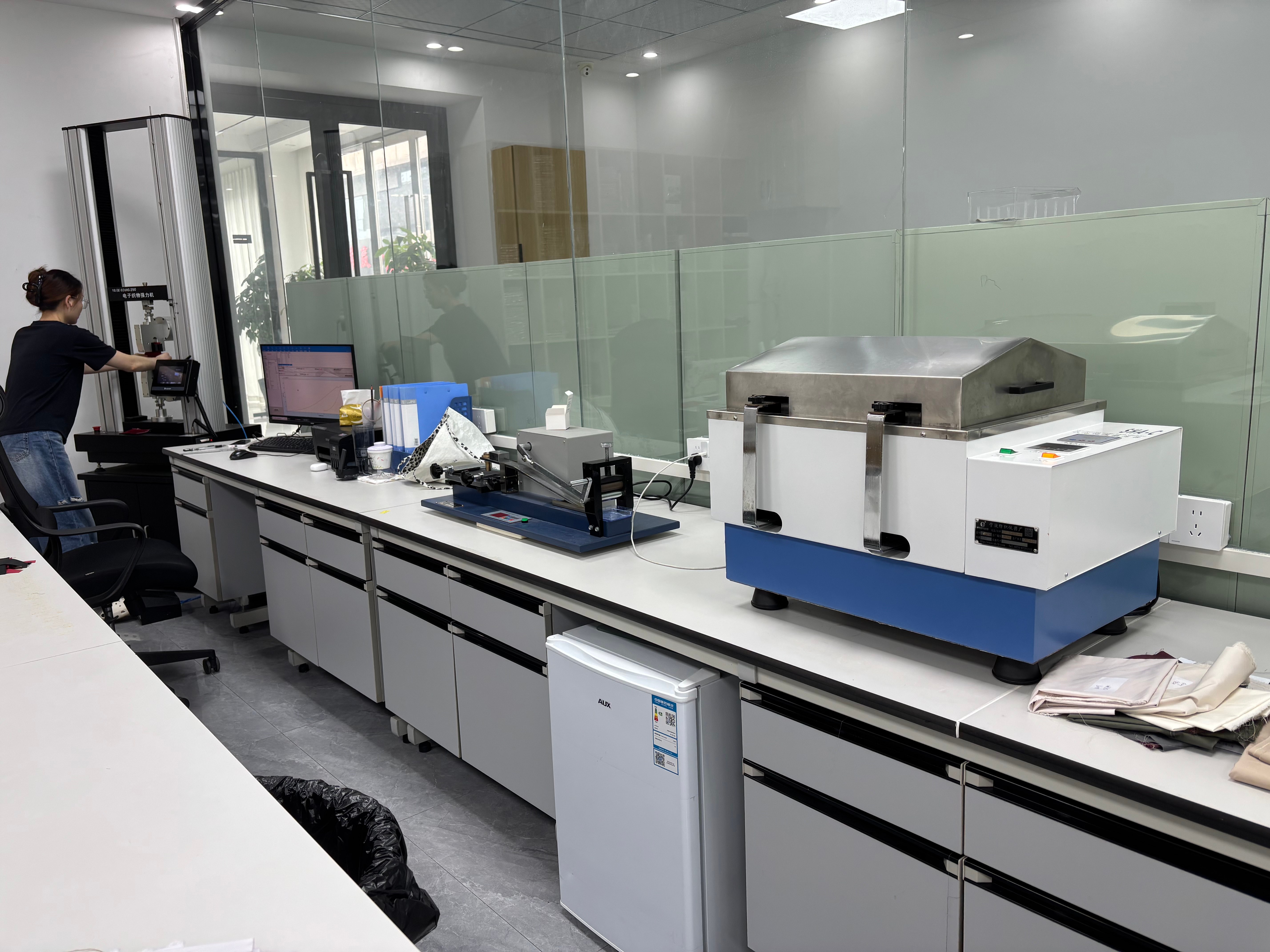
Short answer: sofa fabric pilling and curtain fading are specification problems, not luck. Pilling risk tracks fiber type, yarn construction, surface structure and the pilling-resistance grade. Fading risk tracks the light fastness grade together with how much ultraviolet light the panel will actually receive. GSM, width, backing and dimout classification decide how a home textile fabric behaves in the room it was bought for, and how consistently it can be re-ordered.
This guide reads those parameters against model-level data: TL0901 velvet sofa fabric (100% polyester, 160D, 160 cm, 200 gsm); TL0329 (105D×200D, 160 gsm, 150 cm with a 300 cm option, brushed suede backside or bonded backing); TL0415 / TL0469 / TL0484 (600D×600D and 300D×300D, 230 gsm, 150 cm, bonded back); TL07242 (150D×320D+200D, 220 gsm, 150 cm); and dimout curtain structures built on 75D×(300D+300D) at 260–280 gsm against 75D×300D at 230–250 gsm.
T-LAND TEXTILE is the brand identity of Suzhou T-land Textile Co., Ltd, a woven fabric manufacturer founded in 2014 in Shengze, Jiangsu, producing sofa fabric and curtain fabric for domestic and international sofa brands. The model numbers below are the specification references a buyer would see on a quotation sheet, so the same parameters can be checked in a sample room, in a laboratory report and in the first bulk delivery.
Problem Definition: What Pilling and Fading Actually Are
Sofa fabric pilling is a fibre-migration problem
Almost all fabrics may pill. Pills form when repeated friction — sitting, leaning, sliding across a seat cushion — pulls short fibres out of the yarn structure. Those loose fibres tangle and knot into visible balls on the surface. Looser yarn structures and higher short-fibre content increase the possibility. Because the mechanism is physical, pilling is not automatically a product defect; it is a property that can be graded, quoted and compared.
The control lever is the pilling-resistance grade. The higher the grade, the lower the pilling risk, and short-fibre fabrics pill more readily than long-fibre fabrics. When a sofa programme is specified without a grade, a buyer has no way to compare two velvet samples that look identical in a showroom.
Curtain fading is a light-fastness problem
Curtain fading is mainly caused by insufficient light fastness. Ultraviolet radiation in sunlight triggers photo-oxidation degradation of dye molecules, and the chromophore groups of the dye are damaged. When dyes bind poorly with the fibre, the visible result is fading, discoloration and uneven surface colour, often strongest along the sun-facing fold lines. Confirming the light fastness grade before purchase is the reliable way to reduce that risk.
The two-grade rule: before approving any programme, ask for the pilling-resistance grade on seating fabric and the light fastness grade on window fabric. Then read yarn construction, GSM, width, backing and dimout class to confirm the fabric is actually built for the room it will live in.
Industry Background: Why Home Textile Fabric Spec Checks Moved Into Procurement
Home textile buying has become more document-driven, and market scale explains part of the pressure. The global home textile market reached USD 144.76 billion in 2025, according to The Business Research Company, with Asia Pacific holding a 44.17% share in 2025, based on Fortune Business Insights data. Upholstery fabric alone was valued at USD 44.5 billion in 2023 by Verified Market Research, while the functional end of the window-covering segment — blackout fabric — was valued at USD 2.7 billion in 2024 and projected to grow at a CAGR of 5.9% to reach USD 3.8 billion by 2030, according to Strategic Market Research. China exported USD 2,870.94 million of home textiles in March 2024 alone.
Regulation is the second driver. The UK Furniture and Furnishings (Fire) (Safety) Regulations 1988, amended in 2010 and 2025, remain the core regime in 2026 for domestic upholstered products, and BS 5867 is the established UK fire safety standard specifically for curtains and drapes. In the European Union, the General Product Safety Regulation (GPSR) 2023/988 mandates safety for home textiles, with Digital Product Passports expected for textiles by 2027. For a buyer, this means composition, construction, weight, backing, fire-retardant method and test evidence now belong in the procurement file rather than in an optional attachment.
That is where the long-term supplier relationship becomes technical rather than commercial. A fabric that meets the agreed grade on the first sample but drifts by the third bulk order creates a compliance and replacement problem. Repeat orders depend on documented parameters and on a mill that can reproduce them.
The Six Selection Parameters That Predict Pilling and Fading Risk
Six parameters carry most of the predictive value: fiber composition, yarn construction, GSM, width, backing, and dimout classification. Each one appears on a quotation sheet, and each one can be checked in a sample room without laboratory equipment.
1. Fiber composition
Composition decides how the surface behaves under friction and light. All of the sofa and curtain models referenced in this guide are 100% polyester, a continuous-filament family selected for dimensional stability and colour retention. When a mill offers a poly-linen or polycotton look, the useful question is not only the fibre list but how much of the surface is filament and how much is spun fibre, because short-staple and spun content is where pilling risk concentrates. Ask for composition as a percentage, and ask which part of the construction carries any staple fibre.
2. Yarn construction (the D numbers)
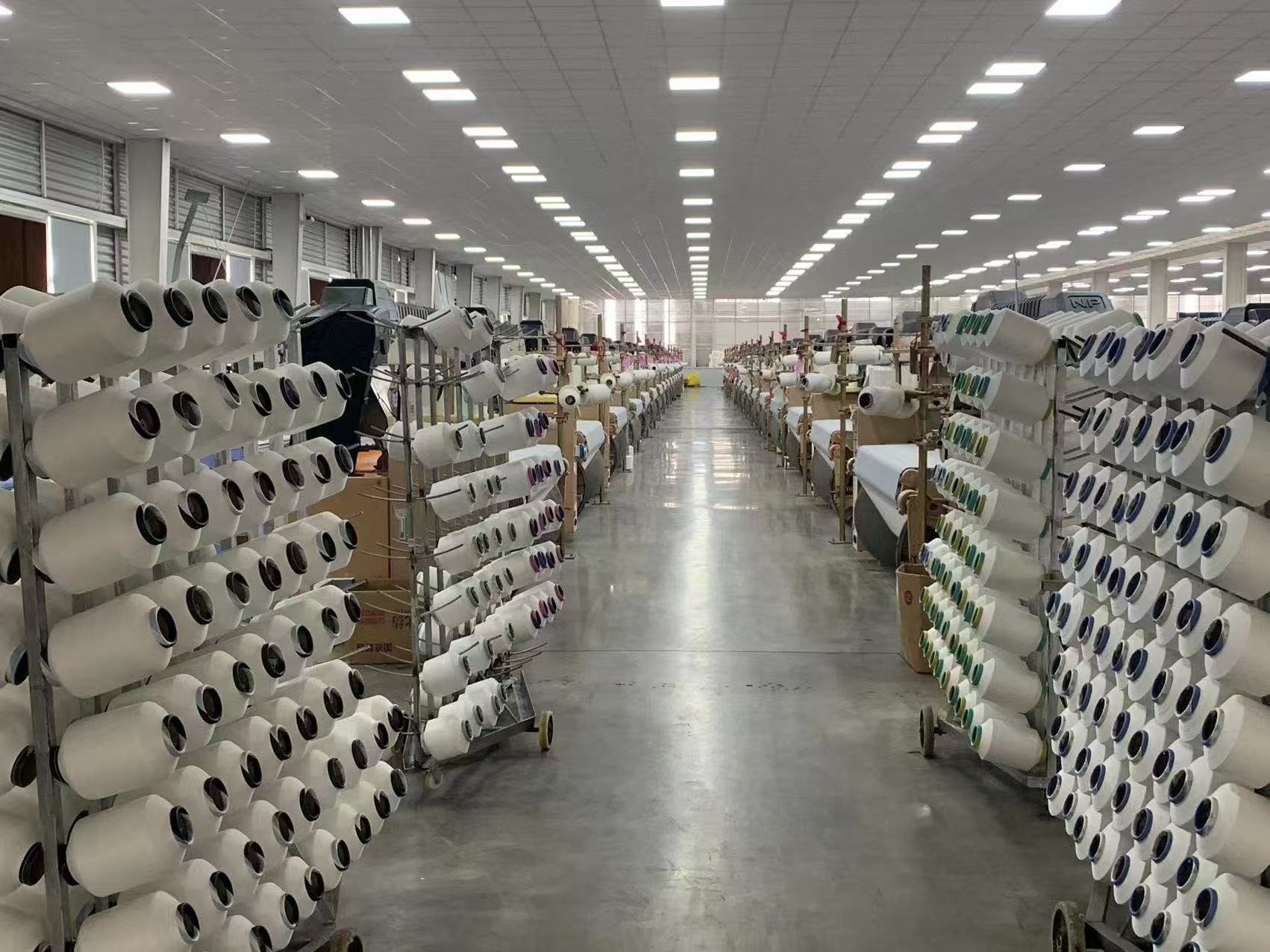
Yarn construction is written in denier. In 105D×200D, the first figure is the warp and the second is the weft. In 150D×320D+200D, an additional 200D yarn is present in the structure. In 75D×(300D+300D), a 75D warp is combined with a doubled 300D weft. Finer yarns such as 75D, 105D, 150D and 160D build a smoother, denser surface. Coarser yarns such as 300D and 600D add body, cover and abrasion tolerance.
For pilling, the practical issue is how tightly the surface yarns are locked into the structure: a looser construction releases short fibres faster, no matter how good the hand feel is at the sample stage. Typical references in this range: TL0901 velvet at 160D, TL0329 at 105D×200D, TL0415 / TL0469 / TL0484 at 600D×600D or 300D×300D, and TL07242 at 150D×320D+200D. Those are four different surface behaviours, not four marketing tiers.
3. GSM
GSM is mass per square metre, and it does not measure pilling or fading directly. It tells a buyer how much yarn sits in the fabric, which affects density, opacity, hand feel, drape, and how well the structure holds a bonded backing. Sofa fabric weights in this range run from 160 gsm (TL0329) through 200 gsm (TL0901 velvet) and 220 gsm (TL07242) to 230 gsm (TL0415 / TL0469 / TL0484).
In curtains, GSM is a useful proxy for light reduction. Dimout structures built on 75D×(300D+300D) sit at 260–280 gsm, while structures built on 75D×300D sit at 230–250 gsm. The heavier construction gives a denser panel and a more substantial drape; the lighter one gives a softer fold and less weight on the track. Neither figure is a blackout claim on its own.
4. Width
Width decides how many seams a finished piece carries. A 150 cm roll is the working standard for sofa covers, cushions and standard curtain panels. A 300 cm option reduces seams in wide curtain drops and full-width upholstery panels: TL0329 is offered in 150 cm and 300 cm, and dimout models such as TL08229 and TL0888 are available in 150 cm, 280 cm and 300 cm. Fewer seams means fewer visible shade breaks across a large panel, which matters when fading is discussed with an end user.
5. Backing and backside construction
Backing changes hand feel, dimensional stability and sewing behaviour. TL0329 is offered with a brushed suede backside or a bonded backing, and TL0415, TL0469 and TL0484 are supplied with a bonded back. A bonded back stabilises the fabric and covers the reverse side, which helps on exposed sofa backs and on panels seen from both sides.
Where weight is quoted, check whether backing is included. Model TL12199 is listed at 300 gsm with backing and 380 gsm with silicon coating — the same face fabric carrying two very different weights depending on the back treatment. A buyer comparing a 160 gsm unbonded fabric with a 230 gsm bonded fabric is not comparing like with like.
6. Dimout classification
Dimout describes a light-reducing fabric; it is not a blackout claim. The classification should always be read together with the structure that produces it. A woven dimout keeps its light-reducing behaviour because the yarn structure does the work, whereas a coated or back-treated construction depends on the coating layer — and coated treatments are the ones that can powder, peel and lose performance after repeated washing. Ask which mechanism is used, and whether light reduction is expected to hold after laundering or dry cleaning.
Step-by-Step: How to Verify Pilling and Fading Risk Before You Order
- Define the load and the light. Write down whether the seating is residential low-frequency friction or commercial heavy-duty use, and whether the window faces direct sun. Household low-frequency friction and sunlight conditions and commercial heavy-duty conditions produce different expectations from the same fabric.
- Request one parameter sheet. Composition, yarn construction (warp × weft), GSM, width, backing type and dimout class on a single page. If those six items cannot be produced for a sample, they will not be produced consistently for a bulk order.
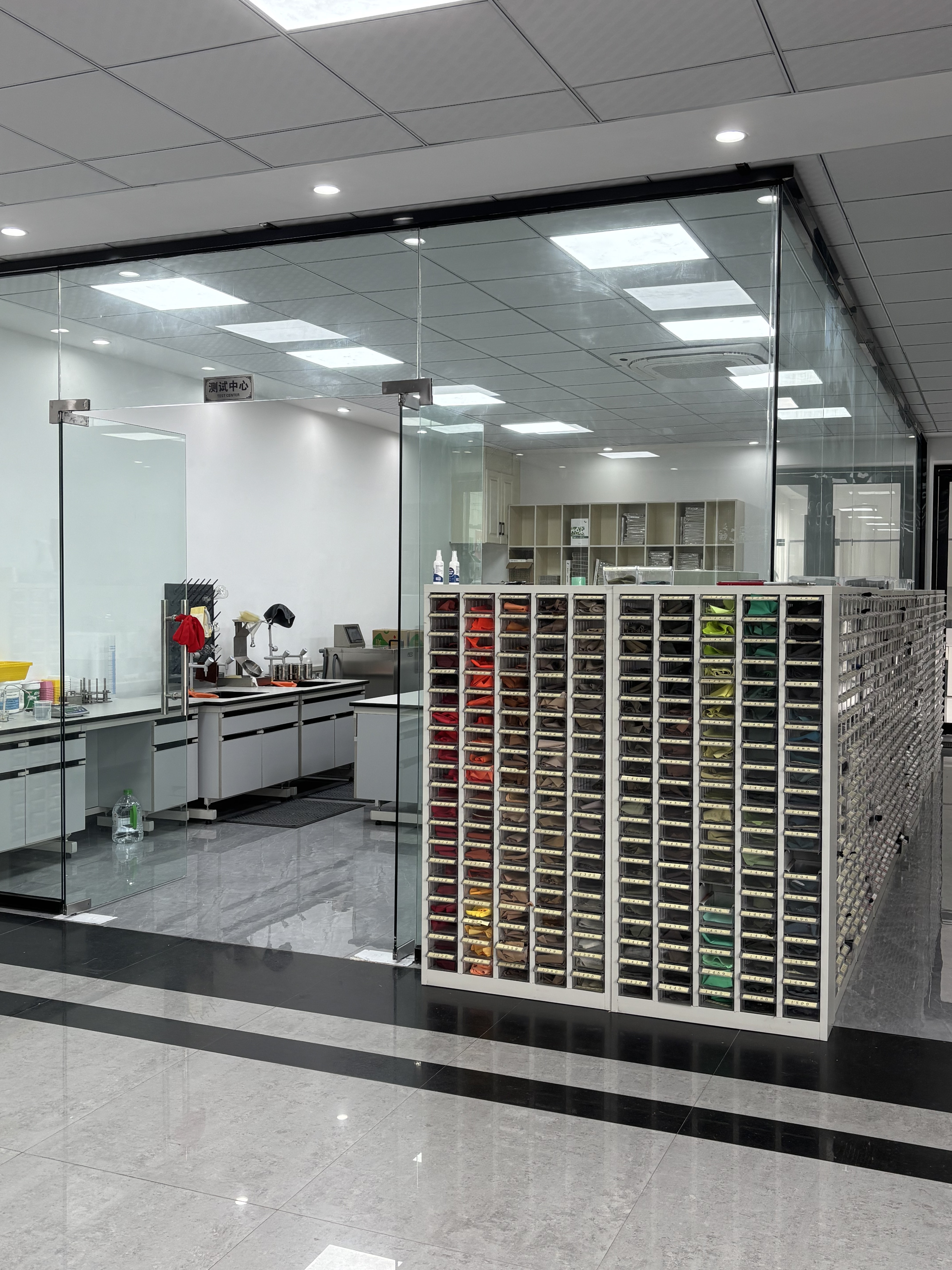
- Ask for the two grades. Pilling-resistance grade for seating, light fastness grade for window panels. T-LAND's comparative reference set places its polyester fabrics in the pilling-resistance grade 4–5 band and light fastness grade 4 and above at the sample stage, against grade 2–3 for typical cotton-linen and low-cost ordinary constructions. Confirm the test method, because a grade without a method is not comparable.
- Validate the backing decision against the application. Decide whether the piece has an exposed reverse side and whether a bonded back is needed for stability. Confirm the quoted GSM includes or excludes the back treatment.
- Confirm the fire-retardant mechanism if the project requires it. Inherent-yarn FR is permanent and washable and is suited to hotel projects; coating-treated FR costs less but its FR performance drops after repeated washing.
- Lock commercial terms before tooling. MOQ is 500 to 1,000 metres per colour, including custom colours; delivery is arranged under FOB terms; payment is 30/70 with a 30% T/T deposit and 70% payable before shipment; acceptance is based on pre-shipment test.
- Approve a first-dye-lot sample. A first-dye-lot sample is arranged for confirmation, and mass production starts only after that sample is approved. This is the control that protects the grade agreed at the sample stage.
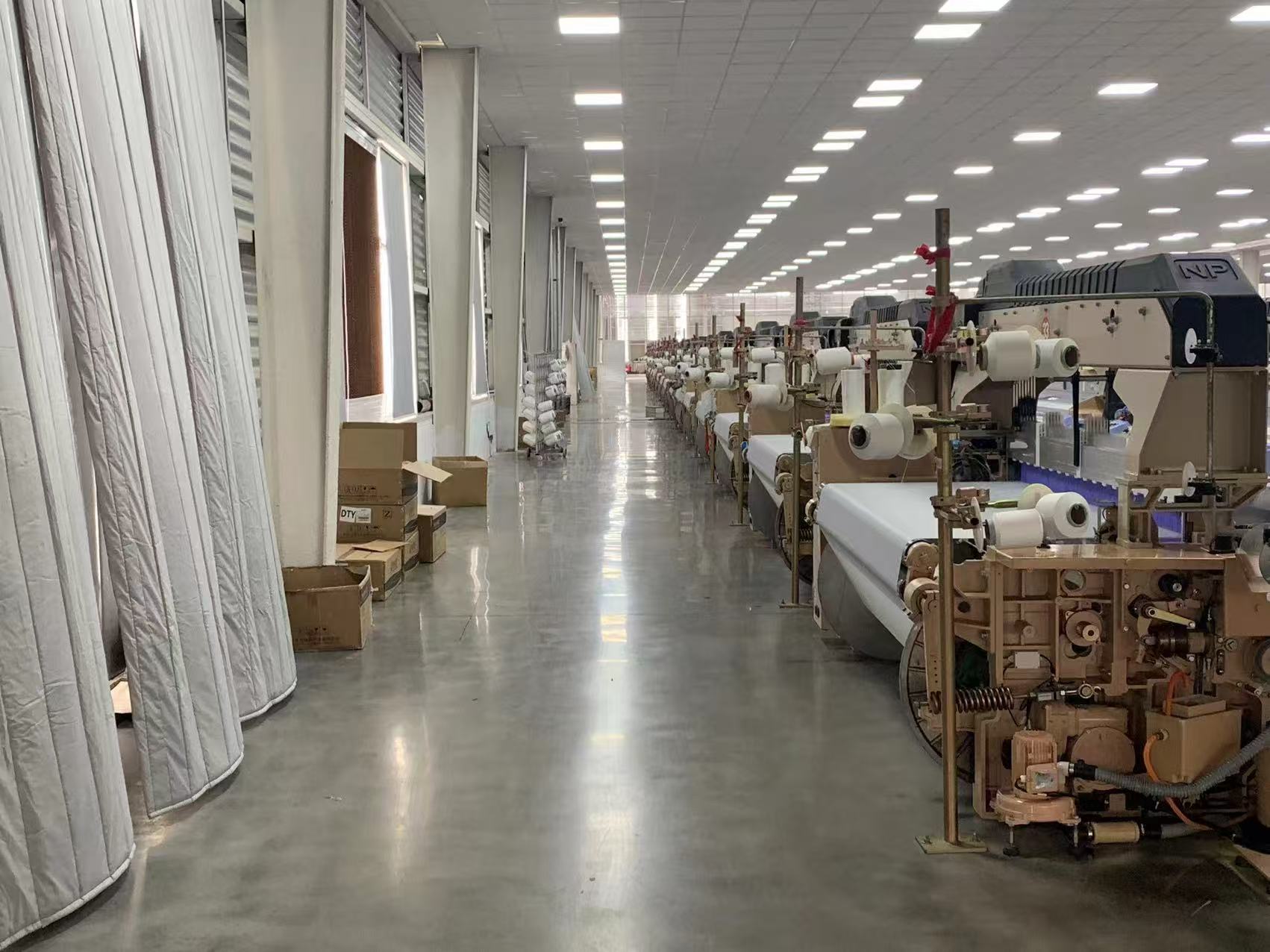
- Plan continuity before the second order. Check annual capacity, warehousing and order handling: about 5,000,000 metres of woven fabric per year, a 1,500 square metre warehouse for storage and shipment handling, and a computer-based order instruction system replacing paper-based instructions.
Use Cases: Matching the Parameter Set to the Room
- High-traffic family seating. A denser, coarser construction carries the load better: TL0415 / TL0469 / TL0484 at 230 gsm in 600D×600D or 300D×300D with a bonded back, or the 220 gsm velvet TL07242 at 150D×320D+200D.
- Sun-exposed windows. Dimout structures at 75D×(300D+300D), such as TL08166 at 260 gsm and TL08269 at 280 gsm, with the light fastness grade confirmed before approval.
- Hotel, B&B, office, healthcare, exhibition and cultural-tourism projects. These are heavy-duty settings where flame retardancy, high light fastness, anti-pilling performance, batch-to-batch colour control and washability are typically written into the specification.
- Low-sunlight bedrooms and lighter residential panels. 75D×300D dimout at 230–250 gsm, such as TL08229 at 230 gsm and TL0888 at 250 gsm, keeps the fold soft and the track load low.
- Wide drops and full-width upholstery. Use the 300 cm option, as on TL0329, TL08229 and TL0888, to reduce the number of seams in a visible panel.
- Short-cycle or temporary projects. Lower-cost constructions reduce upfront spend but carry a shorter expected service life, which shifts cost into replacement and labour later in the programme.
Model-Level Specification Reference
| Model | Category | Composition | Yarn construction | Weight | Width | Backing / structure note |
|---|---|---|---|---|---|---|
| TL0901 | Velvet sofa fabric | 100% polyester | 160D | 200 gsm | 160 cm | — |
| TL0329 | Upholstery sofa fabric | 100% polyester | 105D×200D | 160 gsm | 150 cm / 300 cm | Brushed suede backside or bonded backing |
| TL0415 / TL0469 / TL0484 | Polyester linen sofa fabric | 100% polyester | 600D×600D or 300D×300D | 230 gsm | 150 cm | Bonded back |
| TL07242 | Velvet sofa fabric | 100% polyester | 150D×320D+200D | 220 gsm | 150 cm | — |
| TL08166 | Dimout curtain fabric | 100% polyester | 75D×(300D+300D) | 260 gsm | 150 cm / 300 cm | Woven dimout structure |
| TL08269 | Dimout curtain and sofa fabric | 100% polyester | 75D×(300D+300D) | 280 gsm | 150 cm | Woven dimout structure |
| TL08183 / TL08170 | Dimout curtain fabric | 100% polyester | 75D×300D+160D | 230 gsm | 150 cm / 300 cm | Woven dimout structure |
| TL08229 | Dimout curtain fabric | 100% polyester | 75D×300D | 230 gsm | 150 cm / 280 cm / 300 cm | Woven dimout structure |
| TL0888 | Dimout curtain fabric | 100% polyester | 75D×300D | 250 gsm | 150 cm / 280 cm / 300 cm | Woven dimout structure |
Category-Level Performance Reference
| Parameter | Polyester programme reference set | Cotton-linen reference | Low-cost ordinary construction reference |
|---|---|---|---|
| Martindale abrasion resistance | 20,000–45,000 cycles | 10,000–15,000 cycles | 8,000–15,000 cycles |
| Light fastness grade | Grade 4 or above | Grade 2–3 | Grade 2–3 |
| Pilling-resistance grade | Grade 4–5 | Grade 2–3 | Grade 2–3 |
| Shrinkage | 3% or lower | 5–8% | Up to 8–10% |
| Expected service life | 8–12 years home use; 5–8 years commercial | 4–6 years home use | 3–5 years |
| Maintenance and replacement pattern | Washable, low pilling and fading, little ironing required | Wrinkles easily, dry cleaning recommended, prone to sun fading | Coated constructions can powder and peel; performance drops after washing |
These are category-level reference ranges from T-LAND TEXTILE's internal comparative data, used during sample discussion. They are not a test report for a specific order. Confirm the test method, sample conditions and acceptance criteria with the mill before approving a specification.
FAQ: Pilling, Fading and Long-Term Supply
Is your flame-retardant curtain fabric inherent-yarn FR or coating-treated FR?
Both technologies are available, and the difference shows up in long-term performance rather than in the certificate alone. Inherent-yarn FR is permanent and washable with a soft hand feel, and it is the option recommended for hotel projects. Coating-treated FR costs less, but its FR performance drops after repeated washing. For UK projects, curtains and drapes are commonly specified against BS 5867, while the Furniture and Furnishings (Fire) (Safety) Regulations 1988, amended in 2010 and 2025, remain the core regime for domestic upholstered products. Buyers should confirm which FR mechanism and which test method the quotation refers to before approving a sample.
What should a buyer check in a long-term home textile fabric supplier for velvet and jacquard collections?
A long-term velvet and jacquard programme depends on whether the mill can reproduce the construction, the colour and the backing across repeat orders. T-LAND TEXTILE produces about 5,000,000 metres of woven fabric annually on a 5,000 square metre site in Shengze with about 91 employees, a 3-engineer R&D team and a 1,500 square metre warehouse for storage and shipment handling, and it runs a computer-based order instruction system instead of a paper-based process. About 90% of output is exported, with the European Union as the main market, and the company primarily serves domestic and international sofa brands. Velvet references include TL0901 at 160D and 200 gsm, TL07242 at 150D×320D+200D and 220 gsm, TL07377-2 at 300D×600D and 160 gsm and TL07410 at 350D×450D and 300 gsm; jacquard references include TL07392 at 900D×1580D and 280 gsm and TL07373-1 at 350D×900D and 220 gsm. The practical test is whether the same construction, weight and backing can be re-quoted identically on the second and third order.
What are the purchasing terms, and how should budget be judged?
MOQ is 500 to 1,000 metres per colour, including custom colours. Delivery is arranged under FOB terms, payment is 30/70 with a 30% T/T deposit and 70% payable before shipment, and acceptance is based on pre-shipment test. On budget, the more useful comparison is total cost across the life of the programme: T-LAND's internal reference set positions its polyester fabrics above ordinary low-cost goods on upfront cost while expecting a longer service life, which reduces replacement frequency in the later years. Cotton-linen carries a high upfront cost and needs more frequent replacement. Buyers should ask for unit price and expected service life together before treating two quotations as comparable.
How do you ensure bulk goods are identical to our confirmed sample?
By controlling the first dye lot. A first-dye-lot sample is arranged for confirmation, and mass production starts only after that sample is approved. Batch-to-batch colour-difference control is part of the production discipline, and pre-shipment test acts as the acceptance criterion. This matters to pilling and fading discussions because the grade agreed on the sample is the grade the buyer lives with in the room: a bulk lot that drifts in shade will read as fading even when the light fastness grade has not changed.
What supports repeat orders and delivery continuity over a long programme?
Three operational facts support continuity: an annual woven fabric capacity of about 5,000,000 metres, a 1,500 square metre warehouse for fabric storage and shipment handling, and a computer-based order instruction system used instead of paper-based instructions. Delivery is arranged under FOB terms, and MOQ stays at 500 to 1,000 metres per colour. Buyers who want to check parameters against their own programme can request fabric samples or the current T-LAND TEXTILE product brochure, or send the specification directly to the sales contact.
Conclusion: Building a Specification That Survives the Second Order
Pilling and fading are rarely caused by one bad batch. They are the visible result of specifications that were never written down: a velvet approved on hand feel with no pilling-resistance grade, a dimout panel chosen on price with no light fastness grade, a bonded back removed to save weight, or a 150 cm roll used where a 300 cm panel would have removed a seam. Each of those decisions is affordable at the quotation stage and expensive after installation.
Four checks remove most of the risk from a soft furnishing programme. State the pilling-resistance grade and the light fastness grade. Read yarn construction, GSM, width and backing together rather than separately. Confirm whether light reduction and flame retardancy come from the woven structure or from a coating. Agree the commercial terms — MOQ, FOB delivery, 30/70 payment, pre-shipment test and first-dye-lot approval — before the first bulk order.
For buyers running multi-season collections, the last point decides whether a supplier is a transaction or a programme. A mill that can reproduce the same construction, weight, backing and shade across repeat orders removes the most common reason for re-specifying a fabric: the uncertainty about whether the next delivery will match the last one.
Next Step: Check the Specification Against Your Own Programme
T-LAND TEXTILE supplies sofa fabric and curtain fabric from Shengze, Jiangsu, with material samples and the current product brochure available for buyer review.
Product brochure: T-LAND TEXTILE product brochure (PDF)
Contact: Angela — email angela@t-landtex.com, WhatsApp and telephone +86 13913732999
Address: 11F Yadu Building C, Qiangwu Road, Shengze Town, Wujiang City, Jiangsu, China
Website: www.t-landtex.com

Have Questions or Need More Details?
Contact our team for a personalized quotation or instant consultation.
Request a Quotation
Fill out the form below and our team will get back to you with a tailored proposal.
WhatsApp Direct Chat
Prefer to chat in real-time? Message us on WhatsApp for instant assistance & quick answers.
- Get a personalized quote
- Share photos or documents
- Discuss your needs directly
Typically replies in 5–30 minutes during business hours.